
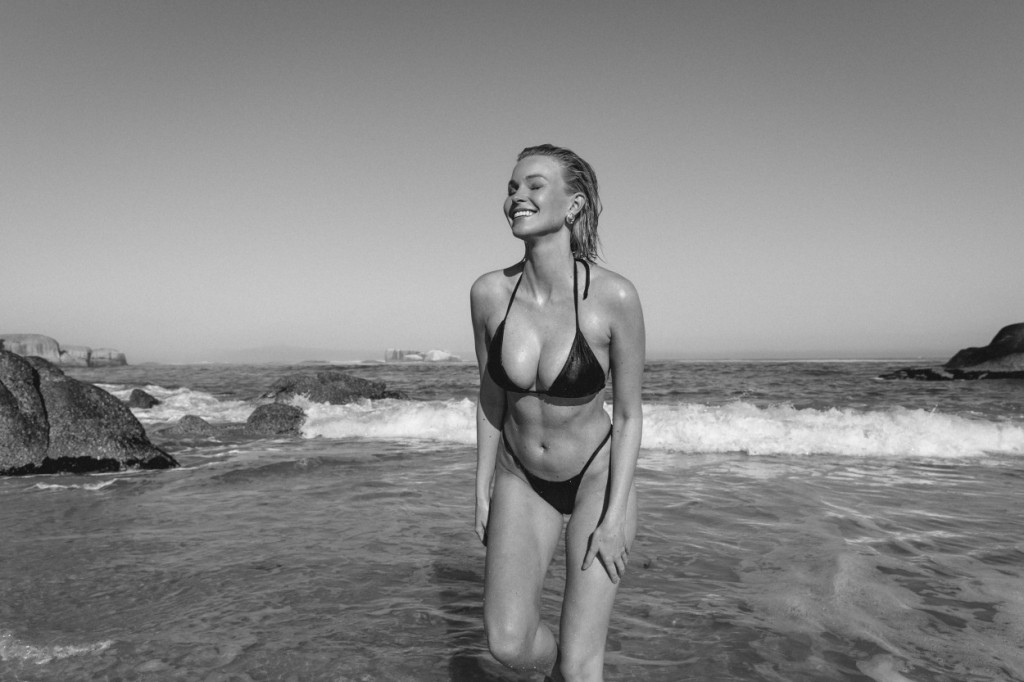
E-commerce photography has fundamentally changed the modeling world. While traditional fashion and advertising photography revolves around emotion and storytelling, e-commerce photography must present products in a clear, attractive way that stimulates online sales. This requires models with specific skills and characteristics that perfectly align with the unique demands of webshop photography.
For brands and retailers looking to maximize their online sales, choosing the right model is crucial. A well-chosen model can make the difference between a product that stands out in the digital clutter and a product that goes unnoticed. Let’s explore which factors make a model suitable for commercial e-commerce assignments.
What is e-commerce photography and why are special models needed?
E-commerce photography is product-focused photography specifically intended for online sales through webshops and digital platforms. This photography requires models who can present products in a natural, accessible way without distracting attention from the product.
Unlike high-fashion photography, where the model often plays the leading role, models in e-commerce photography function as living mannequins. They must demonstrate the fit, movement, and appearance of clothing without becoming too dominant. This requires a specific balance between presence and modesty that not every model naturally possesses.
The technical aspects of webshop photography also impose different requirements. Photos must be sharp, colors must be accurately represented, and the focus is on functionality. Models must therefore be able to pose consistently and work within strict photographic parameters that optimize online sales.
What physical characteristics make a model suitable for e-commerce?
E-commerce models typically have an average to athletic build that is representative of the brand’s target audience. They have proportional body ratios that make clothing fit well and have a natural, accessible appearance.
Important physical characteristics for e-commerce modeling work include:
- Standard clothing sizes: Usually size 36-40 for women and size M-L for men
- Good posture: Straight back and natural body posture
- Expressive hands: Important for accessories and detail photos
- Neutral facial features: Attractive, but not striking or distracting
- Healthy skin: Minimal retouching required
Diversity plays a crucial role in modern e-commerce. Brands seek models from different ethnic backgrounds, ages, and body types to represent their broad customer base. This makes authentic representation more important than traditional modeling standards.
How does posing for e-commerce differ from other modeling work?
Posing for e-commerce requires subtle, natural poses that emphasize the functionality and fit of products. Models must be able to consistently repeat the same poses and work within strict technical parameters for catalog photography.
The poses are functionally oriented rather than artistic. A female model must, for example, be able to show how a dress falls while walking, how a blazer closes, or how comfortable pants fit. This requires precision and repetition, which differs from the more expressive poses in fashion photography.
Important differences in posing work:
- Consistency: Same basic pose for multiple products
- Product focus: Poses that optimally showcase the garment
- Repeatability: Identical poses for color variants
- Functionality: Movements that demonstrate usage
Facial expressions remain neutral but friendly. It’s about a natural, approachable appearance that helps potential buyers imagine how they would look in the product.
What professional skills are essential for e-commerce models?
E-commerce models must possess exceptional discipline, consistency, and technical understanding of product photography. They must be able to quickly switch between different looks and poses while maintaining high quality standards during long photo shoots.
Essential professional skills include quick outfit changes, understanding of camera technique, and the ability to work with minimal direction. Many e-commerce shoots have tight schedules where models must be able to function independently.
Technical skills that are crucial:
- Pose memory: Being able to repeat poses exactly
- Body awareness: Making subtle adjustments upon request
- Time management: Working efficiently within tight schedules
- Product knowledge: Understanding how different fabrics and styles work
- Communication: Clear consultation with photographers and stylists
Additionally, e-commerce models must be flexible regarding availability. Online retailers often work with short lead times and seasonal peaks that require quick response times.
What are the main challenges in e-commerce modeling work?
The biggest challenge in e-commerce modeling work is maintaining energy and consistency during repetitive, technically focused photo shoots. Models must repeat the same poses hundreds of times while remaining fresh and natural on camera.
Physical challenges include long days with frequent outfit changes, working under bright studio lights, and maintaining perfect posture for extended periods. The mental challenge lies in maintaining concentration during repetitive work without losing the natural appearance.
Specific challenges in the work:
- Repetition without boredom: Hundreds of similar poses per day
- Technical precision: Millimeter-accurate positioning
- Quick adjustments: Immediate response to feedback
- Physical condition: Long days working standing up
- Emotional stability: Staying consistent under pressure
Another challenge is working with different product categories. A male model must, for example, be able to switch between formal business wear, sportswear, and casual wear, each with its own posing requirements and appearance.
How does a modeling agency select models for e-commerce assignments?
Modeling agencies select e-commerce models based on their ability to effectively present products, their technical skills, and their reliability for commercial assignments. The selection process focuses on consistency, professionalism, and the right physical characteristics for the target audience.
The casting process usually begins with a portfolio evaluation that looks at previous e-commerce work, posing skills, and versatility. Models must be able to demonstrate that they can handle different styles and product categories without losing their natural appearance.
During test shoot evaluations, models are assessed on:
- Posing consistency: Can they repeat poses exactly?
- Camera awareness: Do they understand how they come across in photos?
- Following guidelines: Do they listen well to instructions?
- Energy maintenance: Do they stay fresh during long shoots?
- Professionalism: Are they reliable and punctual?
Agencies also look at the diversity of their roster to serve different target groups. This means that unique characteristics sometimes outweigh traditional modeling standards, as long as the model can meet the technical requirements.
How Matt Faces helps with e-commerce modeling work
We at Matt Faces understand the specific requirements of e-commerce photography and have carefully assembled our portfolio with models who excel in commercial product photography. Our selection includes diverse, professional models who have demonstrable experience with webshop photography and online retail campaigns.
Our services for e-commerce projects include:
- Targeted casting: Selection of models who perfectly match your target audience and product line
- Technical expertise: Models who understand how e-commerce photography works
- Flexible planning: Quick availability for urgent shoots and seasonal peaks
- Diverse representation: Models from different backgrounds and body types
- Proven track record: Experience with Dutch and international e-commerce brands
Whether you’re launching a new product line, renewing your webshop, or planning seasonal campaigns, we ensure you find the right models who present your products optimally. Contact us to discuss how we can take your e-commerce photography to the next level.