
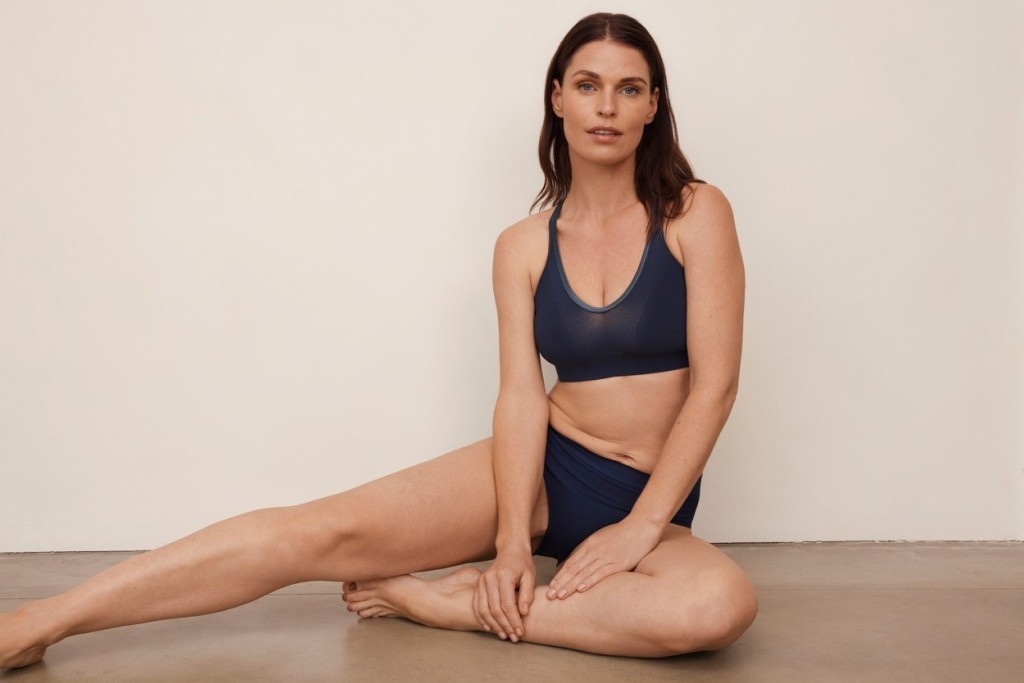
Diversity plays a crucial role in choosing a brand face, as it enhances brand authenticity and appeals to broader target audiences. A diverse brand face reflects the actual composition of your customer base and shows that your brand is inclusive and accessible. This goes beyond just physical characteristics and encompasses values, lifestyles and authentic representation that resonate with different communities.
What exactly does diversity mean when choosing a brand face?
Diversity in brand face selection encompasses ethnic background, age, body type, gender, sexual orientation and physical abilities. It also involves cultural backgrounds, lifestyles and personal stories that represent different target groups.
True diversity extends beyond superficial characteristics. It means choosing models who authentically reflect the values and experiences of your target audience. A diverse brand face shows that your brand understands that beauty and success exist in many forms.
Modern diversity in brand representation also acknowledges neurodiversity, different socioeconomic backgrounds and diverse life experiences. This creates a more inclusive brand identity that feels genuine to consumers.
Why is a diverse brand face so important for modern brands?
A diverse brand face significantly increases your market reach and enhances brand credibility among different target groups. Consumers are more likely to buy from brands in which they recognize themselves and that share their values.
The business benefits are measurable:
- Increased customer loyalty through authentic representation
- Access to new market segments and demographic groups
- Positive brand perception among conscious consumers
- Improved social media engagement through inclusive content
- Competitive advantage in an increasingly diverse market
Diverse brand representation also demonstrates social engagement. Brands that embrace diversity are seen as progressive and socially conscious, which is particularly important for younger generations of consumers.
How do you choose the right diverse model for your specific target audience?
Start with a thorough target audience analysis to understand who your customers really are. Research their demographic characteristics, values, lifestyle and what authentic representation means to them.
Follow these practical steps for effective selection:
- Analyze your current customer database for diversity patterns
- Identify underrepresented groups in your marketing
- Determine which brand values are most important for different segments
- Find models who naturally embody these values
- Test concepts with focus groups from your target audience
- Balance authentic representation with commercial objectives
Cultural sensitivity is essential. Ensure that your choices are respectful and not based on stereotypes or superficial interpretations of different cultures.
Which pitfalls should you avoid in diverse casting choices?
Tokenism is the biggest pitfall: superficially adding diversity without genuine inclusion or understanding. This feels inauthentic and can even be counterproductive for your brand image.
Common mistakes you should avoid:
- Stereotyping by placing models in predictable roles
- Cultural appropriation by using elements superficially
- Quota thinking instead of authentic representation
- Ignoring intersectionality (multiple identities simultaneously)
- Diversity only in supporting roles and not in lead positions
Also avoid “playing it safe” by only choosing conventionally attractive diverse models. True inclusivity means embracing different definitions of beauty and success.
Consult people from the communities you want to represent. Their input helps you make authentic choices that are respectful and effective.
What are the key trends in diverse brand representation?
The most important trend is authentic storytelling, where diverse models tell their own stories instead of playing prescribed roles. Consumers value authenticity over polished perfection.
Other significant developments:
- The body positivity movement, which normalizes different body types
- Age diversity, with more 50+ and very young models
- Greater visibility of the LGBTQ+ community in mainstream marketing
- Inclusion of people with different physical abilities
- Cultural hybridity, where mixed backgrounds are celebrated
Social media amplify these trends by giving diverse voices more visibility. Brands that lag behind on inclusivity are more quickly held accountable by conscious consumers.
The future lies in intersectional representation: models who represent multiple identities and can tell more complex stories that resonate with the reality of modern consumers.
How Matt Faces helps with diverse brand face selection
We offer specialized expertise in diverse model representation, with a carefully curated portfolio that includes different backgrounds, ages and body types. Our international network provides access to authentic models from various cultures.
Our services for diverse brand face selection:
- Personal consultation for target audience analysis and alignment with brand values
- Access to our diverse model database with different specializations
- Advice on cultural sensitivity for respectful campaigns
- International placement opportunities through partner agencies
- Guidance throughout the entire casting and production process
With more than eight years of experience, we understand the nuances of authentic diversity in brand representation. We help brands find the right balance between inclusivity and commercial objectives.
Contact us for a personal conversation about how we can help your brand with authentic and effective diverse model representation that appeals to your target audience.