
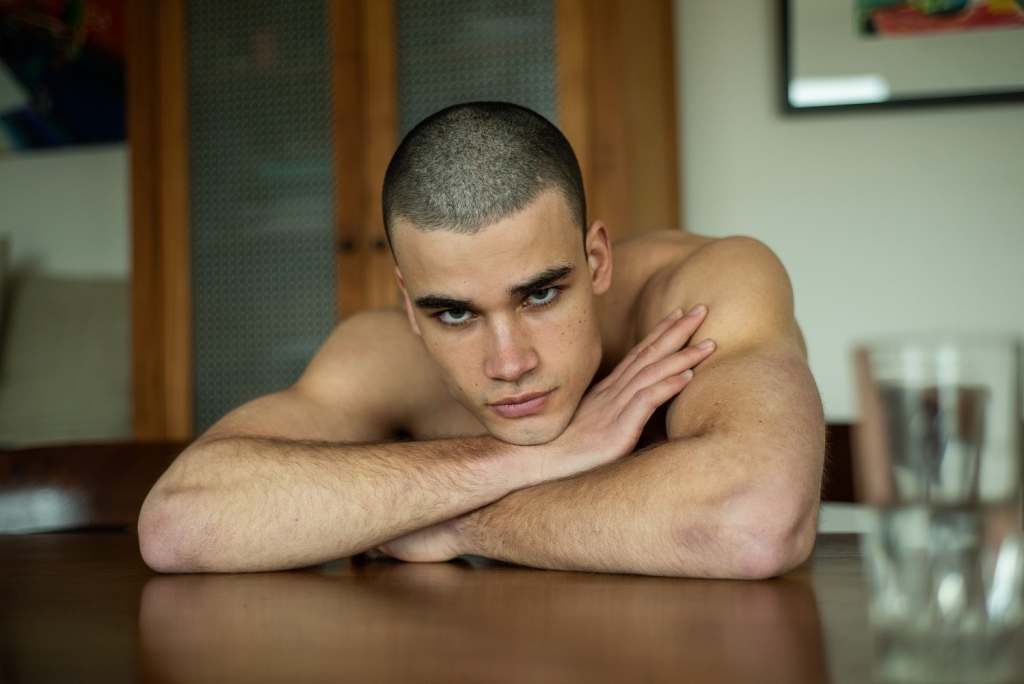
E-commerce photography can make the difference between a successful sale and a missed opportunity. The right model can bring your products to life and create an emotional connection with potential customers. But why do some models work better than others for online sales?
Choosing the right model for e-commerce campaigns goes far beyond just a pretty face. It’s about authenticity, relatability, and the ability to present products in a natural way that appeals to online buyers.
What makes a model suitable for e-commerce photography?
A suitable model for e-commerce photography has the natural ability to present products authentically, possesses a relatable appearance that appeals to the target audience, and can convincingly execute various poses and expressions without becoming overly theatrical.
Commercial models for online stores must above all appear accessible and trustworthy. Unlike high-fashion photography, where drama and perfection are central, e-commerce photography is about relatability. Customers must be able to imagine how they themselves would look in that clothing.
Important qualities include flexibility in posing, the ability to subtly express different emotions, and experience with product photography. A good e-commerce model understands that the product is the star, not the model themselves, and adapts their presentation accordingly.
Why do some models work better than others for online sales?
Some models work better for online sales because they have the ability to make a direct, trustworthy connection with the viewer through a natural presence, authentic body language, and the capacity to present products as lifestyle elements rather than as isolated items.
Online shoppers make quick decisions based on visual impressions. Models who are successful in e-commerce photography often have the following characteristics:
- A natural, relaxed presence that inspires confidence
- The ability to convincingly portray different moods and scenarios
- Experience working under time pressure during commercial shoots
- A variety of poses that showcase the product optimally
- The ability to perform consistently during long photo sessions
These models understand that every photo is a sales opportunity and align their performance with the commercial objectives of the campaign.
How do you choose the right model for your online store target audience?
You choose the right model for your online store target audience by first analyzing your ideal customer profile, then selecting models that match this target group in terms of age, style, and appearance, and finally testing which models generate the highest conversion rates for your specific products.
Start by mapping out your customer demographics. Which age group forms your primary target audience? What is their lifestyle and what do they value? A diverse model portfolio offers the opportunity to effectively reach different target groups.
Also consider the context in which your products are used. Sportswear requires models with an active, energetic presence, while business wear demands models who radiate professionalism and reliability. Test different model types and analyze the results to make data-driven decisions.
What is the difference between fashion models and commercial models for online stores?
Fashion models are trained to present clothing as art with dramatic poses and expressions, while commercial models for online stores focus on presenting products in an accessible and practical way, with emphasis on relatability and stimulating purchasing behavior among regular consumers.
Fashion models often work with avant-garde concepts and extreme styling. They are trained to convey emotion and drama, which is perfect for editorial spreads and runway shows. Their poses are often artistic and can sometimes appear unnatural.
Commercial models, on the other hand, are specialists in creating aspirational yet attainable images. They can portray a wide range of characters and focus on showing how products are used in daily life. These models are often more diverse in appearance and age, which better aligns with the reality of online shoppers.
What mistakes do companies make when choosing e-commerce models?
The most common mistakes when choosing e-commerce models are: selecting models that don’t align with the target audience, focusing on appearance instead of commercial skills, ignoring diversity in model selection, and not testing different models to compare conversion data.
Many companies make the mistake of choosing the most conventionally attractive model, without considering whether this model appeals to their target audience. A professionally selected model who comes across as authentic often converts better than a traditionally ‘perfect’ model.
Other common mistakes include:
- Not considering seasonal trends and moods
- Using the same model for all product categories
- Providing insufficient briefing about brand values and target audience
- Not conducting A/B tests with different models
- Underestimating the importance of experience with e-commerce photography
How Matt Faces helps with e-commerce photography
We understand that choosing the right model for your online store is crucial for the success of your online sales. At Matt Faces, we have years of experience matching commercial models to specific brand needs and target audiences.
Our approach to e-commerce photography includes:
- Thorough analysis of your target audience and brand positioning
- Selection from our diverse portfolio of experienced commercial models
- Guidance during briefing to guarantee optimal results
- Follow-up and evaluation to improve future campaigns
Our models are trained in commercial photography and understand the specific requirements of e-commerce campaigns. Contact us to discuss how we can elevate your e-commerce photography to the next level and improve your conversion rates.